North America · Cenotes under the canopy
Tulum & the Maya Jungle
Low, dense Maya jungle riddled with cenotes — swim in a cave before lunch, ruins before dinner.
Low, dense Maya jungle riddled with cenotes — swim in a cave before lunch, ruins before dinner.
The Yucatán jungle is different: low, dry-canopied, and sitting on a honeycomb of underwater caves. The cenotes — sinkholes of glass-clear freshwater — are the reason to stay in the trees here rather than on the beach. The good jungle stays around Tulum, Francisco Uh May and Macario Gómez put you ten minutes from a swim that feels prehistoric.
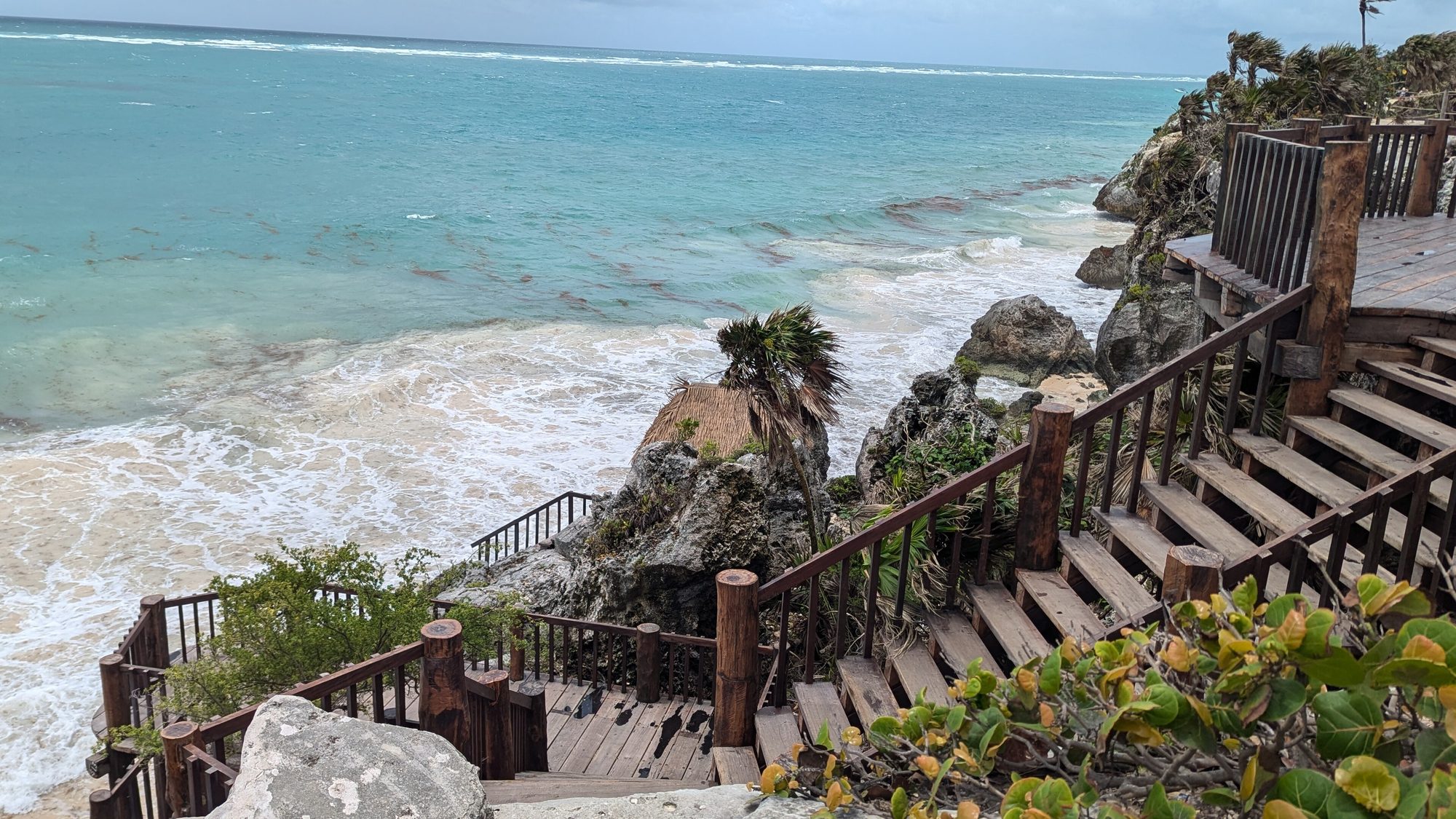
Tulum's beach strip has become a scene; the jungle side is where the value and the quiet went. Architects followed: polished-concrete cubes under the canopy, palapa-roofed villas with private cenote access, treehouses wired for remote work. Bacalar, two hours south on its seven-color lagoon, is what Tulum was fifteen years ago.
This is the easiest jungle for North Americans — Cancún is a four-hour flight from most of the US East Coast, the highway south is good, and you can self-drive everything. November through April is dry and warm. May and June are hot; hurricane season peaks September–October.
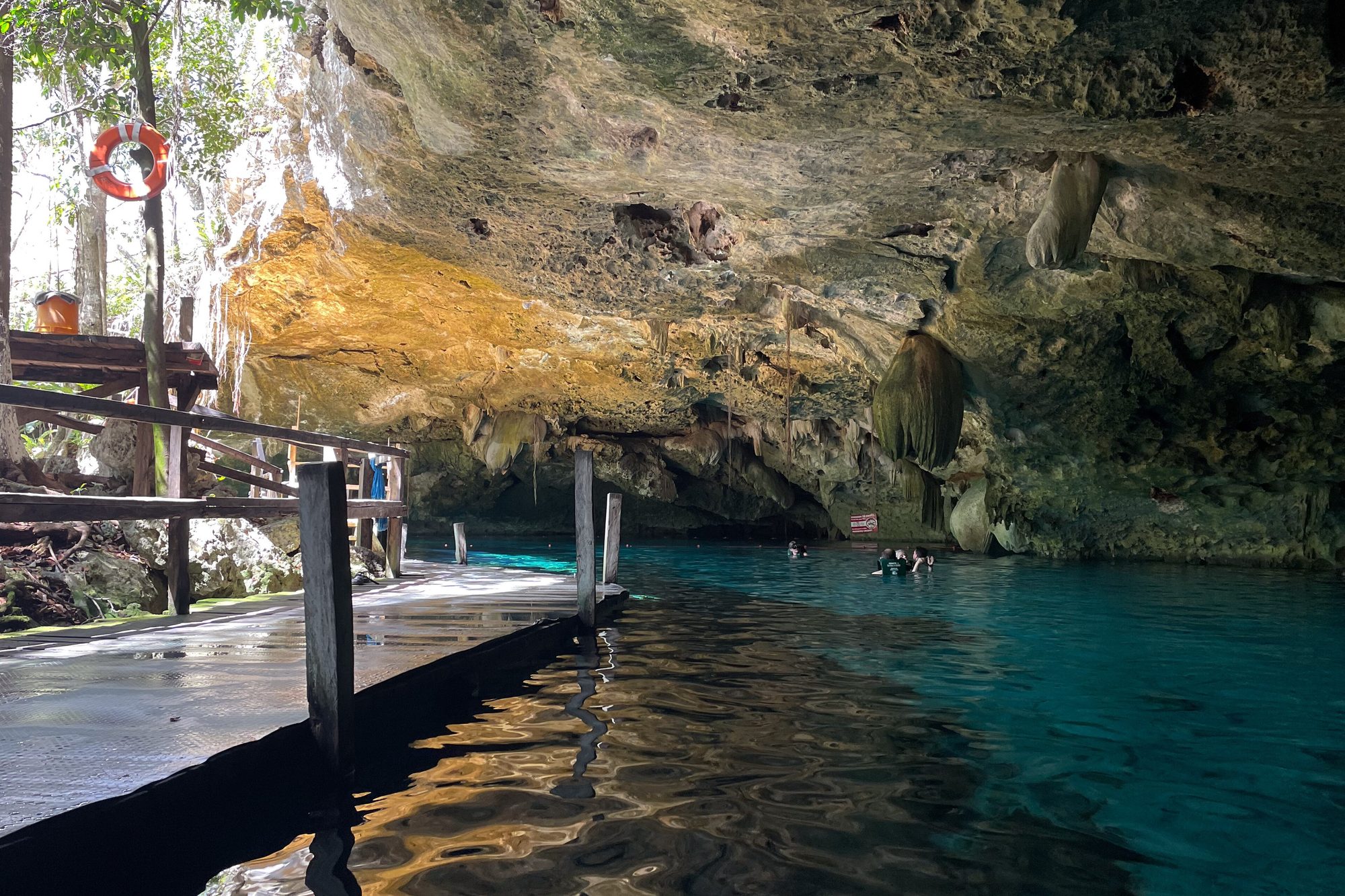 Cenotes under the canopy